
"coffee in Guyana"
400 article(s) found

Boutique coffee beans knowledge coffee producing area Suriname
Suriname (Surinam) was the first country in South America to grow coffee, and Norway was once a major importer of coffee products. However, the country's output is very small today, and it is mentioned here only for historical reasons. The Dutch, who settled in Suriname in 1667, introduced coffee trees from Java in the early 18th century. The first batch of coffee trees was given by the mayor of Asmstedan.

From Coffee Beans (23)--America--Suriname
Suriname was the first country in South America to grow coffee, and Norway was a major importer of coffee products from that country. Today, however, the country produces very little and is mentioned here only for historical reasons. The Dutch, who settled Suriname in 1667, introduced coffee trees from Java in the early 18th century. The first coffee trees were made by Aster.

Suriname, the world's boutique coffee producer
Suriname (Surinam) was the first country in South America to grow coffee, and Norway was once a major importer of coffee products. However, the country's output is very small today, and it is mentioned here only for historical reasons. The Dutch, who settled in Suriname in 1667, introduced coffee trees from Java in the early 18th century. The first batch of coffee trees was given by the mayor of Asmstedan.
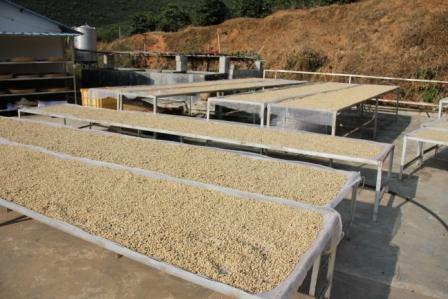
Characteristics of Arabica beans Coffee beans from Suriname
Suriname Suriname (Surinam) is the first country in South America to grow coffee, and Norway was once a major importer of coffee products. However, the country's output is very small today, and it is mentioned here only for historical reasons. The Dutch, who settled in Suriname in 1667, introduced coffee trees from Java in the early 18th century. The first coffee trees were made by the mayor of Asmstedan.
Fine Coffee Learn Coffee Origin Suriname
Suriname was the first country in South America to grow coffee, and Norway was once a major importer of coffee products from Suriname. Today, however, the country produces very little and is mentioned here only for historical reasons. The Dutch, who settled Suriname in 1667, introduced coffee trees from Java in the early 18th century. The first coffee trees were donated by the mayor of Aspen to a
Coffee producing area-Suriname
An important name in the history of coffee
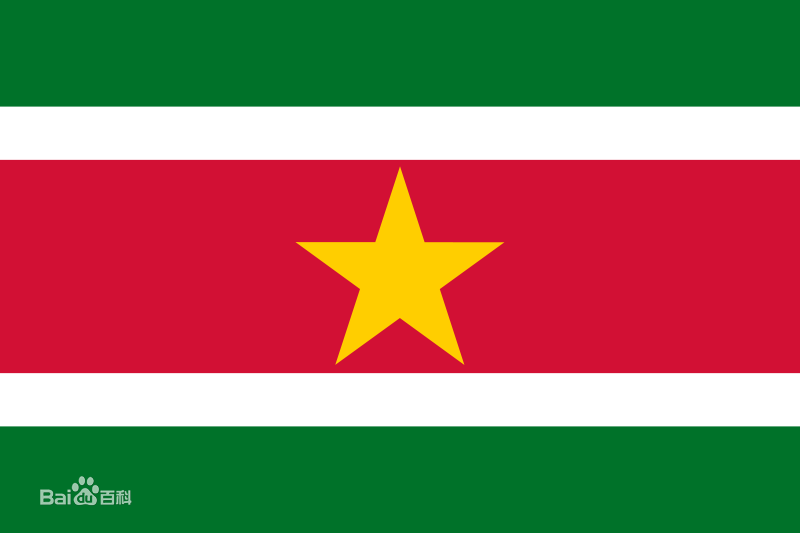
Guyane française Suriname fine coffee beans origin introduction Suriname fine coffee beans origin history
Suriname was the first country in South America to grow coffee, and Norway was once a major importer of coffee products from Suriname. Today, however, the country produces very little and is mentioned here only for historical reasons. The Dutch, who settled Suriname in 1667, introduced coffee trees from Java in the early 18th century. The first coffee trees were donated by the mayor of Aspen to a
Colombia, rich in high-quality coffee
Before the Columbia game began, Colombians had gathered together, picked up silver spoons in their hands, stirred gently three times in their small cups, and put their noses close to the mouth of the cup to take a deep breath. I can't wait to feel the mystery of the sunshine and soil from the mountains of Antioquia.
Coffee History Chronicle
Coffee fruit was found in Ethiopia in the 6th and 7th centuries; Rhazes, a famous doctor in the Arab region in the 10th century, was considered to be the first person in history to record coffee in the literature; 1100 yuan, the first recorded coffee trees were planted in the Arabian Peninsula, after roasting and cooking, coffee was called Gahwa, meaning Islamic wine; in the 13th century, people

France encounters bottleneck in developing coffee industry
French King Louis XIV (1638-1715) once tried coffee. Although he was insensitive to the bitter taste, he did not ignore the huge potential business opportunities of coffee. After all, the court alone spent 110000 yuan a year to buy coffee to solve the princess's coffee addiction. Coffee was the most valuable agricultural product at that time, so Louis XIV was eager to share in the global coffee industry. Seventeen ⊙ eight years, France imitates the Netherlands
Coffee Culture History Coffee History Chronicle
Coffee fruit was found in Ethiopia in the 6th and 7th centuries; Rhazes, a famous doctor in the Arab region in the 10th century, was considered to be the first person in history to record coffee in the literature; 1100 yuan, the first recorded coffee trees were planted in the Arabian Peninsula, after roasting and cooking, coffee was called Gahwa, meaning Islamic wine; in the 13th century, people
When was the coffee fruit found in Ethiopia?
Coffee fruit was found in Ethiopia in the 6th and 7th centuries; Rhazes, a famous doctor in the Arab region in the 10th century, was considered to be the first person in history to record coffee in the literature; 1100 yuan, the first recorded coffee trees were planted in the Arabian Peninsula, after roasting and cooking, coffee was called Gahwa, meaning Islamic wine; in the 13th century, people

Flavor description of Brazilian Yellow bourbon Coffee Variety characteristics of Brazilian Yellow bourbon Coffee
Flavor description of Brazilian yellow bourbon coffee taste treatment variety characteristics different from the past, Brazil's economy is less dependent on coffee, which accounts for only 8% to 10% of the gross national product. Before World War II, Brazil accounted for 50% or more of the world's coffee production, and now it is close to 30%, but the country's impact on the world coffee, especially on coffee prices.

Brazilian Coffee Datra Manor Plantation
The great economic crisis that broke out in 1929 sharply reduced the world consumption of coffee, which dealt a heavy blow to the Brazilian coffee plantation economy. Since then, the proportion of Brazilian coffee production in export earnings has plummeted. In the past 30 years, with the rise and development of Brazilian modern industry, especially steel, shipbuilding, automobile and aircraft manufacturing, the status of coffee in the national economy has declined year by year.

Coffee History Chronicle the time when the coffee fruit was found in Ethiopia
Coffee fruit was found in Ethiopia in the 6th and 7th centuries; Rhazes, a famous doctor in the Arab region in the 10th century, was considered to be the first person in history to record coffee in the literature; 1100 yuan, the first recorded coffee trees were planted in the Arabian Peninsula, after roasting and cooking, coffee was called Gahwa, meaning Islamic wine; in the 13th century, people
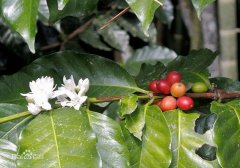
Low acidity, moderately roasted coffee beans from the World Coffee Center in Brazil
Brazil, a low-acidity, moderately roasted coffee bean from the World Coffee Center, is vividly compared to the giant and monarch of the coffee world. There are about 3.97 billion coffee trees there, and small farmers now grow 75% of the country's coffee. The number of coffee producers in Brazil is twice or even three times that of Colombia, the second largest coffee producer in the world.
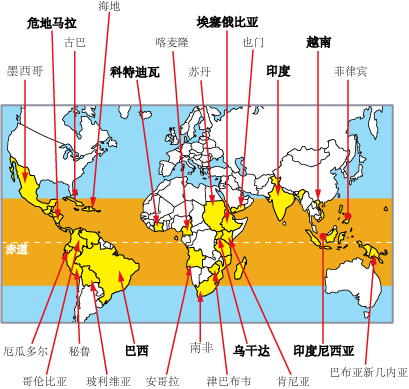
Coffee producing area 53 coffee producing areas in the world, Brazilian coffee producing area
Brazil's low-acidity, moderately roasted coffee beans from the World Coffee Center Brazil is vividly likened to the giant and monarch of the coffee world. There are about 3.97 billion coffee trees there, and small farmers now grow 75% of the country's coffee. Brazil produces twice or even three times as many coffee as Colombia, which is the second largest coffee producer in the world.

Introduction to the quality and taste of Brazilian Minas sun-tanned bourbon coffee bean flavor description treatment
Unlike in the past, Brazil's economy is less dependent on coffee, which accounts for only 8% to 10% of GDP. Before World War II, Brazil accounted for 50% or more of the world's coffee production, and now it is close to 30%, but the country's impact on world coffee, especially on coffee prices.

A comprehensive introduction of Brazilian coffee beans Central American region
Brazils to distinguish it from Milds coffee. The vast majority of Brazilian coffee is unwashed and sun-dried and is classified according to the name of the state of origin and port of transport. Brazil has 21 states and 17 states produce coffee, but four of them produce the largest, accounting for 98% of Brazil's total output. They are: Parana, SaoPaulo and Milas.

Introduction and characteristics of Brazilian Coffee
Brazil is vividly compared to the giant and monarch of the coffee world. There are about 3.97 billion coffee trees there, and small farmers now grow 75% of Brazil's total coffee production. The number of coffee producers in Brazil is twice or even three times that of Colombia, the second largest coffee producer in the world. Unlike in the past, Brazil's economy is less dependent on coffee.